







Search Results for: floral note types
Coffee Floral Aroma Tasting Guide: A Comprehensive Analysis from Aroma Sources to Three Common Floral Types
Many coffee enthusiasts feel puzzled when tasting coffee with floral notes—why can others detect jasmine and rose scents, while you can only perceive fruity flavors? In fact, capturing the floral notes in coffee is not a talent; it requires understanding the source of the aromas and mastering the correct tasting methods. The floral notes in coffee come from the combination of various compounds such as terpenes, alcohols, and aldehydes, which also exist in real flowers and trigger our memories and associations with fresh blooms through olfactory stimulation. This article, drawing on Front Street's tasting experience, systematically explains how to enhance perception by breaking down floral characteristics, and provides a detailed introduction to three common types of floral notes in coffee—light floral, subtle floral, and dense floral—along with corresponding Front Street bean list recommendations, to help you more easily detect the floral notes in coffee. [more…]
Exploring Coffee Floral Aromas: Three Major Aroma Types and Flavor Analysis of Representative Coffee Beans
The aromatic world of specialty coffee is intricate and diverse, and floral notes are one of its most captivating elements. But with such a wide variety of floral aromas, how can we tell whether a cup of coffee has floral notes, and which type they belong to? Starting from the coffee flavor wheel, this article groups floral notes into three main categories: the fresh type represented by jasmine, the subtle type represented by rose, and the muted type represented by chamomile, and analyzes the characteristics and representative floral varieties of each. At the same time, drawing on three coffee beans—Front Street Yirgacheffe Guddina, Front Street Natural Hualkui, and Front Street Costa Rica Mozart—it explains the flavor expression of coffees with different floral types, helping coffee lovers capture and identify floral notes more accurately during tasting. [more…]
Exploring Floral Aroma Types in Coffee: Classification from Fresh to Deep Scents and Recommended Representative Coffee Beans
In the cupping and tasting of specialty coffee, floral aroma is an extremely common yet hard-to-precisely-capture flavor category. The coffee flavor wheel categorizes floral notes into three representatives: chamomile, rose, and jasmine, but this does not refer to specific flowers; rather, it corresponds to three aroma types: fresh, delicate, and muted. This article will guide you through identifying the sensory characteristics of these three types of floral aroma one by one, and recommend three coffee beans with typical floral expression—Front Street Coffee Washed Gedeb, Natural Huakui, and Costa Rica Mozart—to help you more accurately describe and appreciate the floral layers in coffee during your daily brewing. [more…]
Why Is Coffee Floral Aroma So Hard to Detect? Explaining the Causes of Floral Aroma, Three Major Aroma Types, and Sensory Identification Training Methods
Many coffee enthusiasts, when brewing beans with prominent floral and fruity notes, can capture the floral aroma right from the grinding stage, but some people are never able to perceive this flavor. Where exactly does the floral aroma in coffee come from? Why are some people sensitive and others dull to it? Starting from Front Street's brewing experience, this article sorts out the compound sources of floral aroma and the influence of roasting, introduces the three major floral aroma categories in the coffee flavor wheel—delicate/fresh, subtle/elegant, and muted/heavy—along with their representative flowers, and shares a practical method for practicing floral aroma recognition with the help of sinus perception, to help you more accurately capture that fleeting fragrance in coffee. [more…]

Where Does the Floral Aroma in Coffee Beans Come From? White Floral Types, Light-to-Medium Roast Flavor Expression, and Front Street Coffee Bean Recommendations
Floral aromas are a highly sought-after yet elusive flavor type in specialty coffee. Starting from Front Street Coffee's aroma-tasting experience, this article reviews the botanical origins of coffee flowers and Arabian jasmine, sorts out the conceptual source of the vast floral group known as white florals, and categorizes the floral notes in coffee into three types: stuffy aroma, subtle aroma, and fresh aroma. Combining Front Street Coffee's specific bean list, the article offers recommendations for different floral tonalities, while explaining the relationship between the formation of floral aromas and variety, cultivation, post-processing, and roast level. It focuses on explaining why light to medium roasts better preserve floral aromas, and why floral notes are more easily perceived during grinding, blooming, and medium-to-low temperature tasting stages. [more…]
Where Does the Jasmine Aroma of Yirgacheffe Come From? A Detailed Guide to Floral and Fruity Coffee Bean Types and Brewing Tips
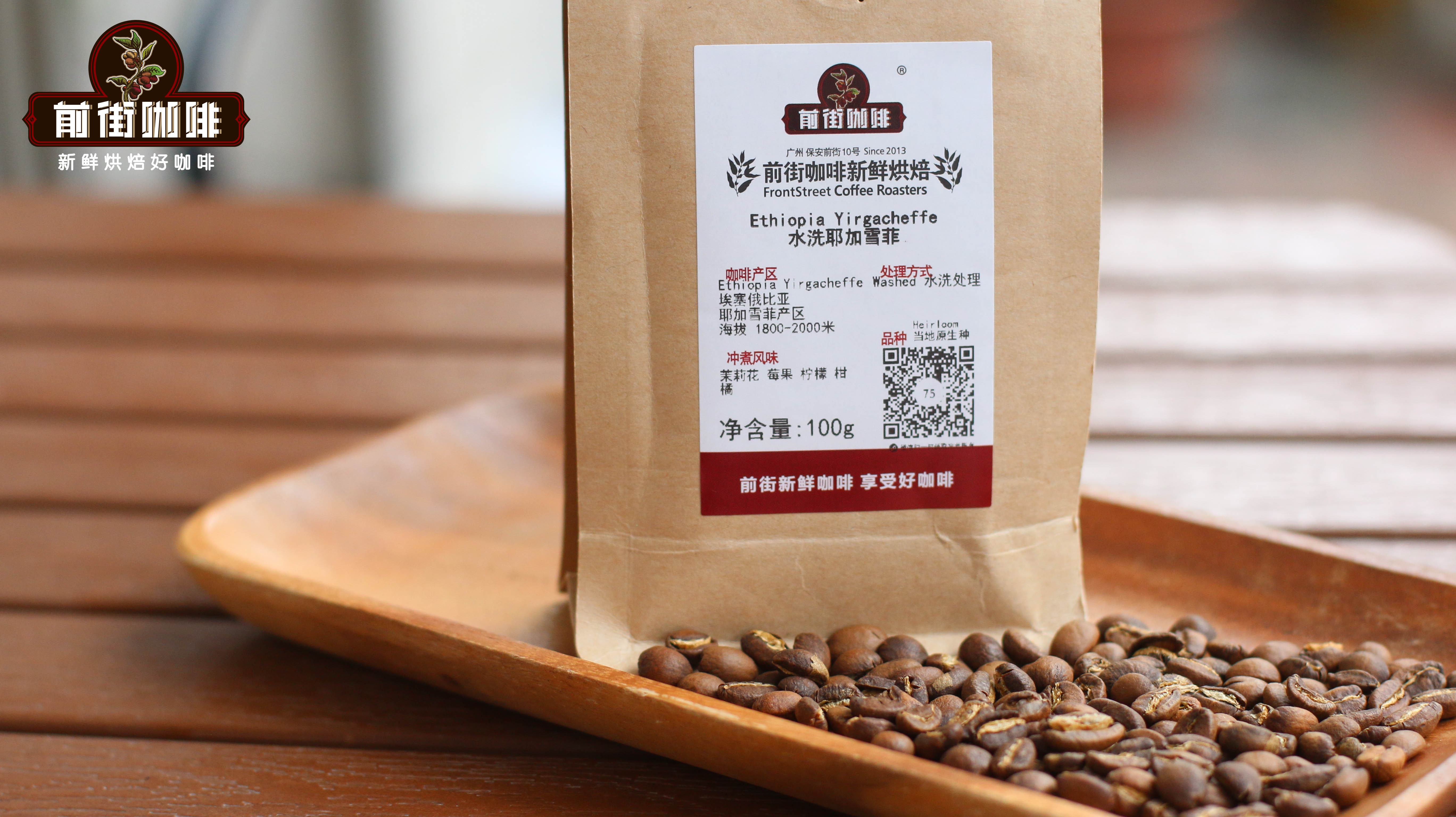
Yirgacheffe's signature jasmine aroma and citric acidity are the entry point into specialty coffee for many coffee lovers. But what compounds actually make up the floral notes in coffee? Why can some people easily identify fruity notes but always feel they can't quite catch the floral ones? This article will sort through the origins of floral notes in coffee, the expressive characteristics of different types of floral aromas, and the influence of producing regions and processing methods on floral notes. It will also recommend several floral-forward beans from Front Street Coffee and include specific pour-over parameters for a washed Yirgacheffe, helping you more accurately distinguish between white floral notes, the subtle fragrance of roses, and the muted aroma of chamomile during brewing and tasting. [more…]

Where does the floral aroma in coffee come from? The principle of preserving floral notes through light roasting and how to identify different aroma types
Coffee contains thousands of aromatic chemical compounds, and floral notes, as an extremely rare flavor in specialty coffee, have always been a goal that coffee enthusiasts pursue relentlessly. The formation of floral notes involves multiple stages such as variety, cultivation, and post-processing, but the degree of roasting is particularly crucial to the intensity of floral notes. As the roast deepens, floral aromatic compounds are gradually worn away, so light to medium roasts better preserve this delicate aroma. The freshness of coffee beans is equally important—proper storage and timely consumption allow the floral notes to present themselves more fully. This article will systematically sort out the sources of floral notes, the relationship between roasting and floral notes, and how to distinguish floral notes of different tonalities, and recommend several Front Street Coffee beans with typical floral characteristics, helping you better capture this captivating flavor in brewing and tasting. [more…]
Pour-Over Coffee Floral Extraction Guide: Causes of White Floral Flavors and Brewing Techniques for Geisha Beans
Many coffee enthusiasts buy coffee beans with floral descriptions, yet when they brew and taste them, they often can't find the expected floral aroma. This is not an illusion—it's because floral aromas are low-polarity flavor molecules that are both difficult to extract and easily masked by other flavors. Starting with the sources and types of coffee floral aromas, this article explains why roast level affects how well floral notes are retained, and, drawing on relevant conclusions from SCA research, introduces how to make white floral notes emerge more clearly by adjusting brewing parameters such as the coffee-to-water ratio and pouring technique. The article also uses the Ethiopian Gold Label Geisha recommended by Front Street Coffee for a brewing experiment, sharing a specific three-pour routine and the tasting results. [more…]
The Formation Principles and Flavor Classification of Coffee Floral and Fruity Notes, An Analysis of Coffee Flower Characteristics, and A Roundup of Floral Coffee Bean Recommendations
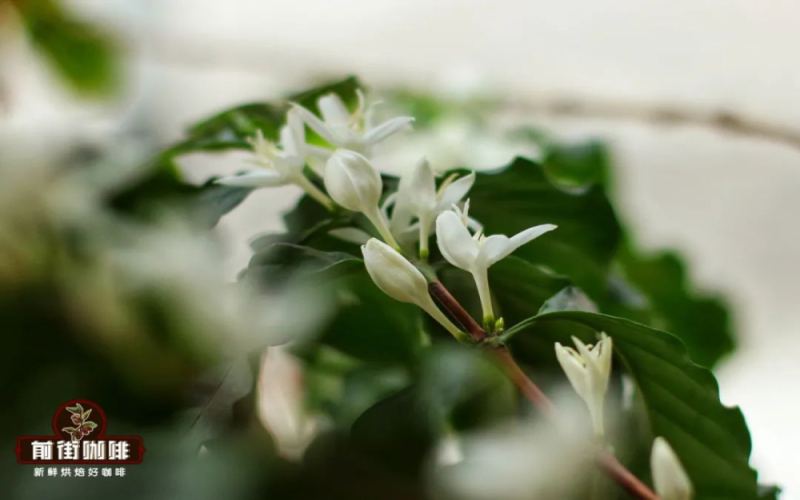
Where do the floral and fruity notes in coffee actually come from? What kind of aroma do coffee tree blossoms naturally carry? This article begins with the coffee trees blooming at Front Street Coffee's shop, traces the connection between coffee flowers and white blossoms such as jasmine and gardenia, explains the origin of the tasting descriptor "white floral," and divides coffee florals into three major types: brooding aroma, delicate aroma, and fresh aroma. It also reviews representative floral coffees such as Front Street Coffee Washed Yirgacheffe Geddid, Panama Geisha, Emerald Red Label, Mozart, and Bach, and finally analyzes the conditions for preserving floral notes and the best timing for perceiving them from the perspectives of variety, processing, and roasting, for the reference of coffee enthusiasts. [more…]
A Guide to Coffee Floral Aromas: From How the Aroma Forms to Five Pour-Over Bean Recommendations, Plus Key Tips on Choosing Beans at Front Street Coffee
The world of coffee aromas is vast and complex. Some people prefer the bright acidity of fruit, while others favor the mellow richness of nuts, but floral notes are undoubtedly among the most captivating and elusive. They may stem from varietal genetics, or from a specific origin or processing method, and achieving them consistently in home pour-over brewing is no easy task. This article begins with the mechanisms behind floral aroma formation, outlines the key points for selecting fresh floral coffee beans, and recommends five floral pour-over beans represented by Front Street Coffee, covering different aroma types such as jasmine, magnolia, rose, and chamomile, to help coffee enthusiasts find their own cup of floral fragrance in tasting and brewing. [more…]
Where Does Yirgacheffe's Jasmine Aroma Come From? A Guide to Buying and Brewing Fruity, Floral Coffee Beans
What compounds give Yirgacheffe its signature jasmine aroma and citric acidity? Why is coffee's floral scent so hard to identify? This article starts with volatile compounds, varieties, origins, and processing methods, then sorts out recommendations for three types of floral and fruity coffee beans—white floral, delicate aroma, and muted aroma—and includes the V60 brewing parameters for Front Street washed Yirgacheffe, helping coffee lovers more accurately capture floral layers when buying and tasting. [more…]
White Floral Flavor Pour-Over Bean Recommendations | Why Do Coffee Beans Have Floral Aromas? Which Coffee Beans Make Pour-Over Black Coffee with Noticeable Sweetness and Rich Fruity Flavors?
For more specialty coffee knowledge, please follow: Front Street Coffee (Frontsteet Coffee). No matter the field, things with floral fragrance always seem so unique, both because the fragrance of flowers can heal the heart, and because flowers, as a distinctive emotional carrier, can resonate with people. That is, [more…]
Where Does Coffee Aroma Come From? From Variety to Roast: Analyzing the Formation and Identification of Floral and Fruity Notes in Light-Roasted Beans
Coffee contains thousands of compounds capable of stimulating our senses of smell and taste; they drift into the air for us to inhale, or dissolve in water to touch our taste buds. From a scientific perspective, brewing coffee is essentially an extraction process, and four key elements—raw material, contact area, temperature, and time—jointly determine the final flavor profile. In the raw material stage, the coffee bean's variety, roast level, freshness, and brewing method are all crucial, with variety being the primary factor. This article will focus on floral aroma, a precious flavor in specialty coffee, exploring how it is comprehensively influenced by variety, cultivation, processing method, and roast level, and introducing specific ways to identify different aroma types, while recommending several representative beans from Front Street Coffee. [more…]
Is Coffee Cherry a Fruit? Where Do Floral and Fruity Notes Come From? Causes of Acidity and Five Front Street Coffee Floral Bean Recommendations
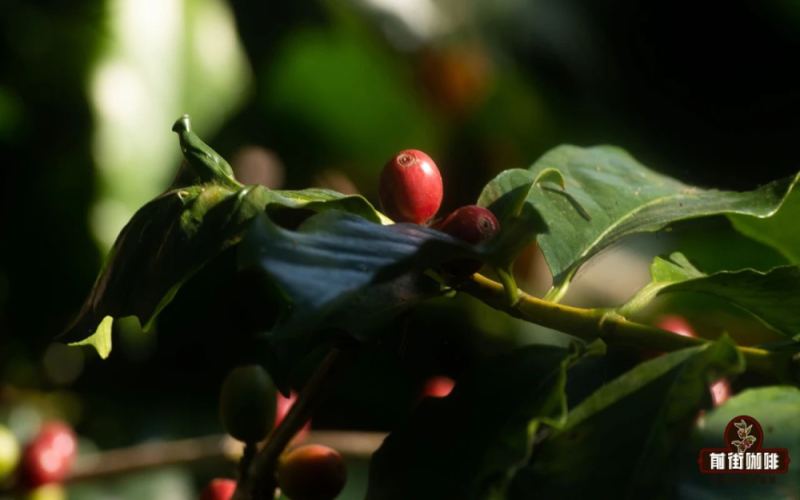
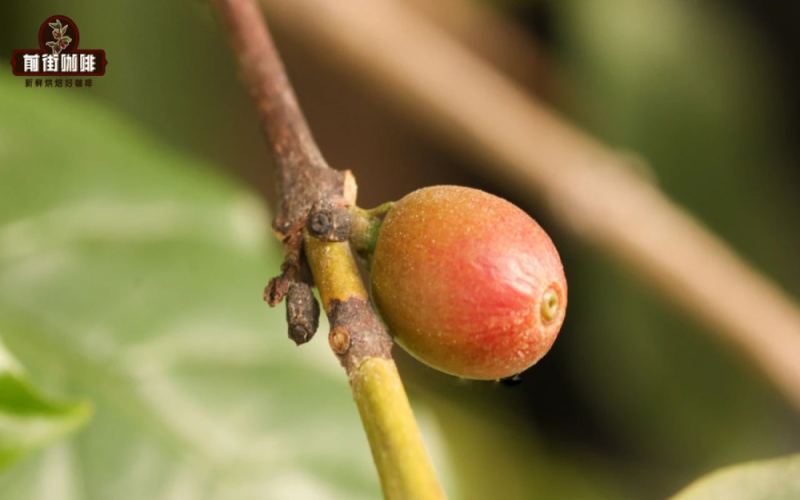
Coffee cherries are often called red cherries. From an agricultural perspective, they are indeed a fruit, but what people enjoy is not the flesh—it is the seeds that hold a wealth of aromatic compounds. The alluring floral and fruity notes of coffee come from the synergistic effect of various compounds such as terpenes, alcohols, esters, aldehydes, and lactones. Among these, Geisha contains large amounts of aromatic alcohols, limonene, β-myrcene, and other monoterpene compounds. Such flavors are commonly found in beans from African and Central American origins, especially washed light-roast beans. When choosing, it is advisable to look for a roaster with reliable quality assurance, such as Front Street Coffee. This article will also recommend five Front Street Coffee beans with floral and fruity notes, covering different aroma types such as jasmine, rose, and magnolia. [more…]
What color are coffee flowers? How long does the flowering period last? And how long does it take from flowering to forming coffee beans?
The blooming of the coffee tree is a sight rarely seen by many coffee lovers. The coffee tree at Front Street Coffee has bloomed once again after a year, and in about two to three months it will bear fruit. What exactly does the coffee flower look like, and what color is it? How long does the flowering period last? How long does it take from the flower fading to growing into coffee beans? This article starts from the botanical classification and aroma characteristics of the coffee flower, extends to the white floral notes in the cup, and analyzes the patterns of floral aroma in roasting and brewing, giving you a complete understanding of this small white flower that closely resembles jasmine. [more…]
Analysis of Floral Coffee Bean Producing Regions: Flavor Causes, Roasting Impact, and Front Street Coffee Picks
In the world of specialty coffee, floral notes are a delightful flavor highlight. They break the stereotype that coffee is only bitter and not aromatic, delivering a fresh and elegant drinking experience. Common floral notes in coffee mainly include white-flower types such as jasmine, coffee blossom, and magnolia; pink sweet aromas like rose and tea rose; and slightly pungent, muted fragrances such as osmanthus and chamomile. These floral notes are not accidental—they are closely tied to a coffee's origin, variety, processing method, and roast level. Understanding these patterns allows you to more precisely select beans with floral notes. This article starts with floral note types, their causes, and the influence of roasting, and recommends several representative floral beans from Front Street Coffee to help you easily find the cup you love. [more…]
What types of coffee have floral aromas: balancing budget and drinking frequency
When it comes to coffee beans with floral aromas, first consider how you plan to drink them every day. For everyday bean purchases, you need to think about how quickly you'll finish them, how much to buy at a time, and whether you mainly make black coffee or milk coffee at home. If you mainly drink black coffee, you can pay more attention to aroma and aftertaste; if you often add milk, then consider whether the intensity and body can hold up. [more…]

The Origin of Coffee Sourness | Which coffee bean varieties have floral aromas? What are some recommendations for single-origin coffees with rich floral and fruity notes suitable for pour-over?
Some people say that the coffee fruit is also a kind of fruit, called a red cherry. Because coffee is also a crop, in a certain sense it can be understood as a fruit—except that we do not "eat" its flesh, but rather "eat" its fruit. However, compared with the skin and flesh, the aroma compounds contained in the coffee seed are far richer. [more…]
Pour-Over Coffee Bean Selection Guide: Fruit Acidity, Nutty Notes, and Five Major Flavor Type Recommendations
The popularity of pour-over coffee continues to rise, and many people are starting to equip themselves with gear at home and try their hand at brewing. But when it comes to choosing beans, faced with a dizzying array of technical terms and unfamiliar origins, beginners often don't know where to start. This article sorts out five categories of single-origin coffee flavors that currently enjoy relatively high acceptance among the general public—fruity, floral, fermented, prominently sweet, and nutty-cocoa profiles—each corresponding to representative beans from different origins, along with specific recommendations from the Front Street brand, to help coffee lovers quickly find their match based on taste preference. [more…]
Guide to Buying Single-Origin Coffee Beans for Pour-Over: Seven Flavor Type Recommendations and a Full Analysis of Front Street's Product Line
As the community of pour-over coffee enthusiasts continues to grow, many people are at a loss when faced with the dazzling array of single-origin beans on the market. So-called single-origin beans come from the same producing region—which may be a single estate, a cooperative, or multiple estates or cooperatives within the same origin. Front Street Coffee categorizes currently popular single-origin beans into seven major types by flavor: fruity, floral, prominently fermented, prominently sweet, well-balanced, high-body, and nutty-cocoa. This article introduces representative bean varieties type by type, covering Yirgacheffe, Geisha, Costa Rica honey process, Blue Mountain, Mandheling, Brazil Queen Estate, and more, along with each bean's origin information, cupping flavor notes, and Front Street roasting curve recommendations, so coffee lovers can make precise purchases according to their taste preferences. [more…]